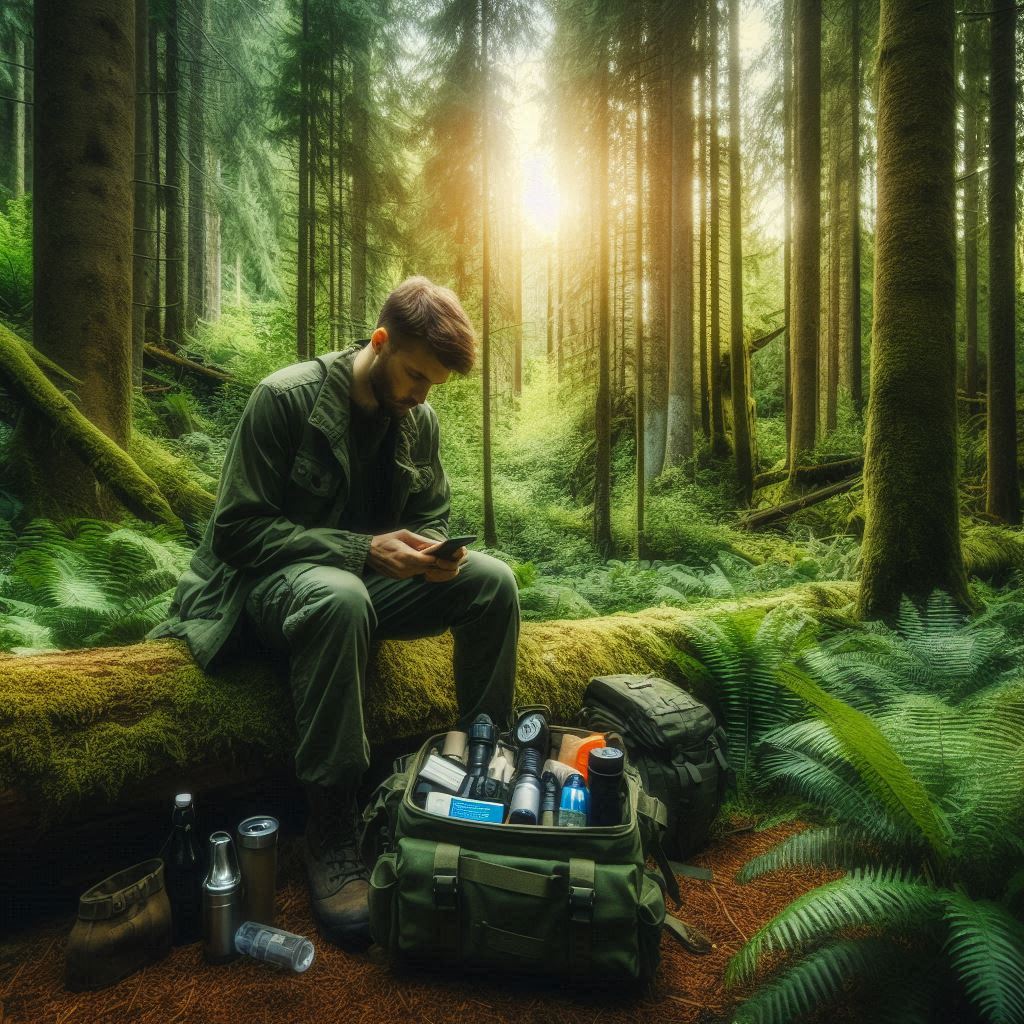
This comprehensive guide on defining and categorizing bug out bags was created by Hagpreneur and shared through a Discord chat. The article breaks down three tiers of bug out bags — from quick emergency evacuations to long-term survival scenarios — ensuring that individuals can tailor their preparedness plans based on different levels of threat and duration. To talk to this individual directly check out the Discord chat: https://discord.gg/8vmQ2ZVubh
Tier A – “Emergency Bag”
Purpose: Fast evacuation with only essentials. Head to a designated shelter (school, community center, family member’s home). Pack light and stay mobile.
Scenario: Evacuations due to fires, floods, hurricanes, or other weather events. Help is available.
Duration: Short term, usually 24 hours.
Item List:
- Water (plus purification tablets)
- Non-perishable snacks
- First-aid kit
- Flashlight
- Whistle
- Emergency blanket
- Local map
- Basic hygiene items (toothbrush, small soap)
- Simple tool: multi-tool or knife
- Important documents
- Change of socks and underwear
Tier B – “Survival Bag”
Purpose: Short-term survival where you might need to sleep outside. Be prepared to boil water and make a campfire for warmth, light, and cooking.
Scenario: Prolonged natural disasters, civil unrest, or conflict where help is delayed.
Duration: A few days to a week.
Item List:
- All items from Tier A
- Additional water and food supplies
- Rain gear and extra clothing
- Portable stove and fuel
- More comprehensive first-aid kit
- Sleeping bag or compact sleeping pad
- Fire-starting kit
- Portable solar charger
Tier C – “INCH: I’m Not Coming Home”
Purpose: Long-term survival and self-sufficiency due to widespread collapse. You’ll need to hunt, fish, and forage to sustain yourself. Shelter and a sleep system are critical.
Scenario: Societal collapse due to riots, war, or disease. No external help available.
Duration: Long-term, possibly weeks or months.
Item List:
- All items from Tier B
- Cooking supplies
- Hunting/fishing gear
- Shelter and sleep system
- Varied clothing
- Water filtration options
- Fire-making tools
- Axe/saw
- Knife, flashlight, advanced first-aid kit
Pro Tip: Define your “bug out bag” needs based on your scenario to be fully prepared!