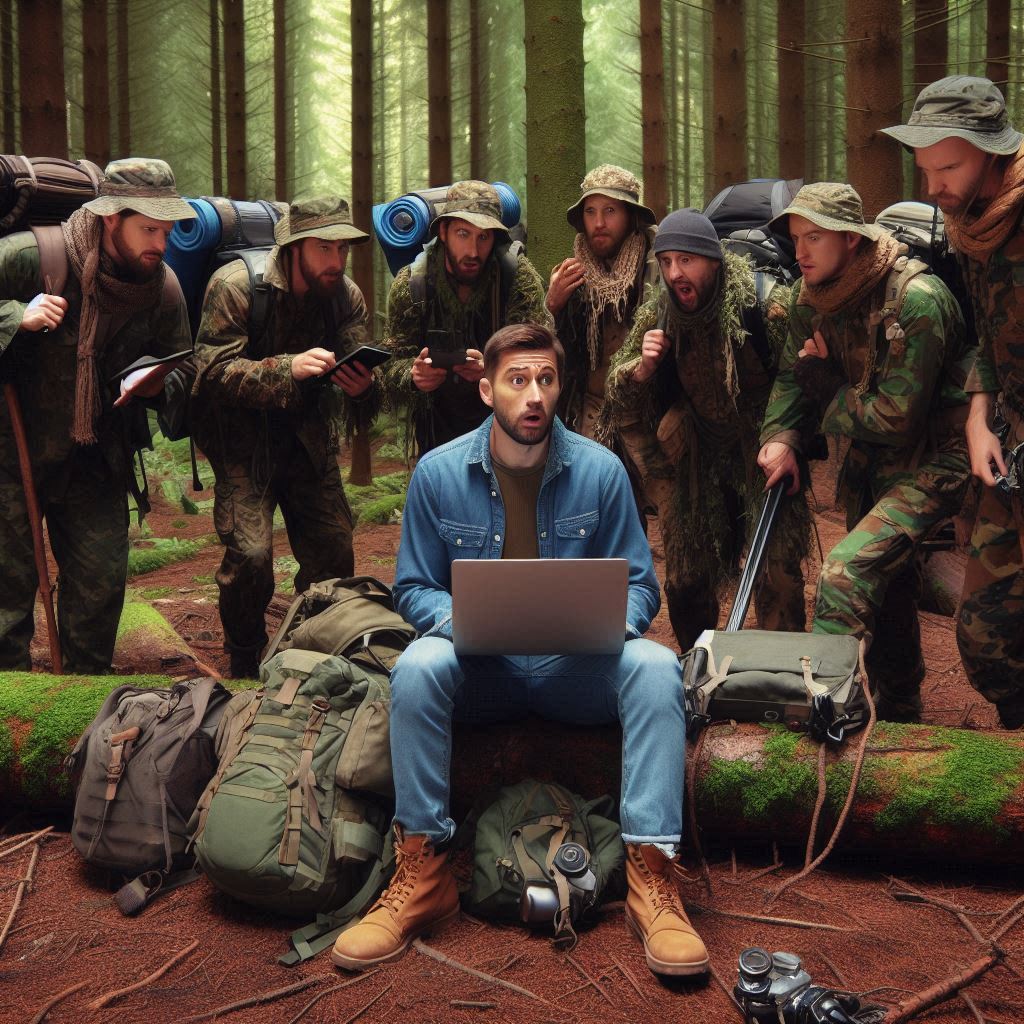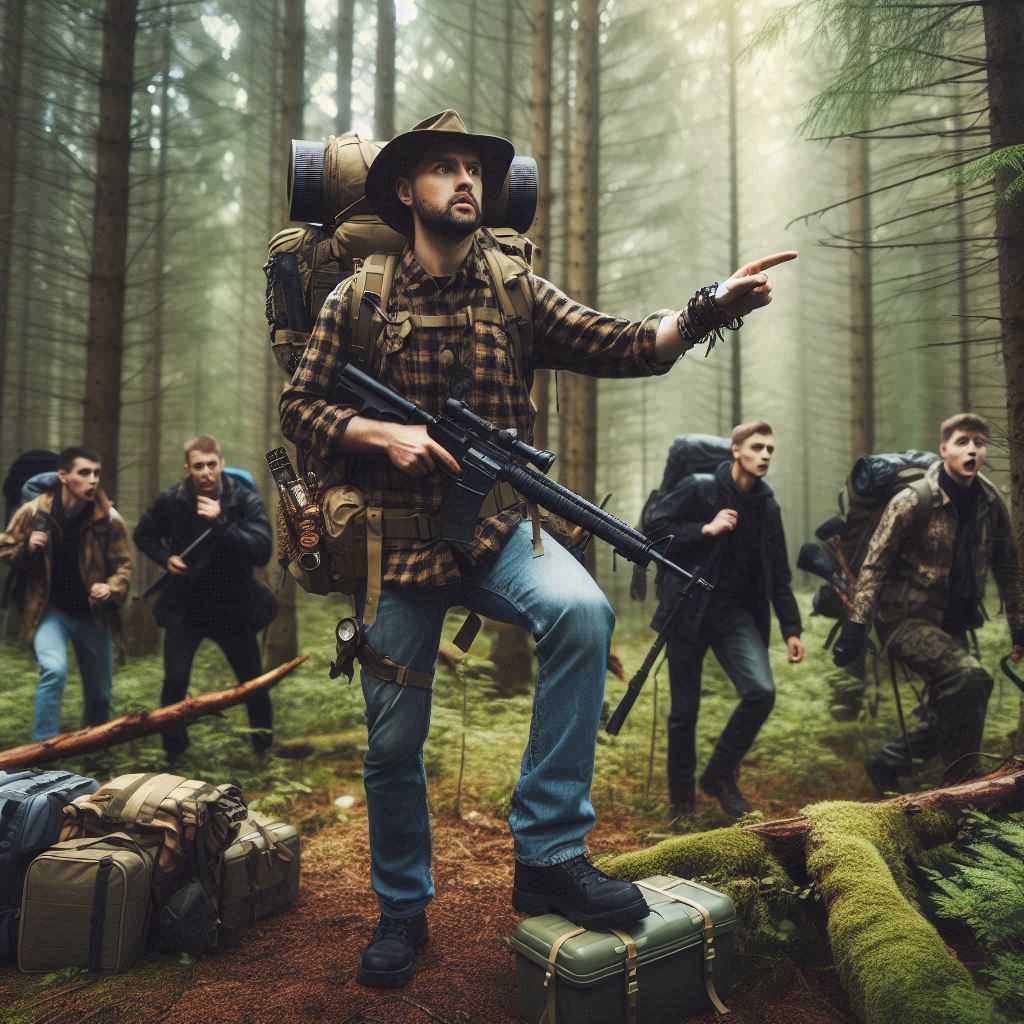
When the grid goes down, chaos hits the streets, and the only thing standing between you and a can of beans is sheer grit, you’ll wish you spent less time perfecting your TikTok routine and more time honing skills that actually matter. So, what’s going to keep you breathing and thriving when SHTF?
Here’s a no-nonsense list of the 10 most worthwhile skills to have when the world decides to hit the reset button.
1. Fire-Starting Like a Caveman Boss
No electricity? No problem. If you can’t start a fire without a Bic lighter, you’re toast. Fire isn’t just for warmth—it’s for purifying water, cooking food, and signaling for help. Knowing how to spark a flame with flint, a ferro rod, or even a bow drill will turn you from vulnerable to valuable real quick.
Pro Tip: Practice in all weather conditions. Wet wood? No excuses.
2. Hunting, Trapping, and Fishing
Forget your DoorDash addiction—when SHTF, it’s hunt, trap, or starve. Being able to procure meat is a game-changer. Whether it’s snaring rabbits, setting fish traps, or tracking larger game, a steady protein source keeps you in the fight.
Pro Tip: Learn how to process and preserve meat to avoid spoilage. Dehydration, smoking, or curing works wonders.
3. Water Purification and Storage
Water is life, and in a grid-down scenario, clean water is gold. Knowing how to purify, filter, and store water can mean the difference between staying hydrated or battling deadly infections. Boiling, using iodine tablets, or building a basic sand and charcoal filter should be second nature.
Pro Tip: Learn to identify natural water sources and always carry a portable water filter.
4. Shelter Building and Insulation
Exposure will kill you faster than hunger. Whether you’re bugging out or staying put, knowing how to construct a reliable shelter that shields you from wind, rain, and cold is essential. Tarps, debris huts, or lean-tos—learn them all.
Pro Tip: Master insulation techniques to retain body heat, especially in winter environments.
5. Foraging and Wild Edibles Knowledge
If you can’t tell the difference between wild garlic and something that’ll kill you in 10 minutes, you’ve got a problem. Edible plants, mushrooms, and medicinal herbs can supplement your food supply and keep you healthy when the shelves are bare.
Pro Tip: Study your local flora. What’s edible in one region might be poisonous in another.
6. Self-Defense and Situational Awareness
When desperation sets in, people become unpredictable. Knowing how to defend yourself—whether it’s hand-to-hand combat, basic weapons training, or maintaining situational awareness—can keep you and your group safe.
Pro Tip: Learn to read body language and detect potential threats before they escalate.
7. First Aid and Trauma Care
Cuts, infections, and injuries can take you out faster than a bullet if untreated. Basic first aid is essential, but knowing how to handle trauma—like stopping a bleed, splinting fractures, or treating burns—can save lives.
Pro Tip: Build a trauma kit that goes beyond band-aids. Include tourniquets, clotting agents, and antibiotics.
8. Basic Carpentry and Repairs
When society crumbles, DIY becomes a survival necessity. Being able to repair structures, craft tools, or fortify your shelter could mean the difference between safety and exposure. Knowing how to wield a hammer, saw, and ax effectively is non-negotiable.
Pro Tip: Learn how to repurpose materials and improvise repairs using scavenged supplies.
9. Gardening and Food Preservation
A sustainable food source ensures long-term survival. Whether it’s container gardening, permaculture, or aquaponics, growing your own food reduces reliance on unpredictable supply chains. Pair that with canning, drying, and fermenting to store surplus for lean times.
Pro Tip: Focus on high-calorie, nutrient-dense crops like potatoes, beans, and squash.
10. Communication and Off-Grid Signaling
When cell towers go silent, having a way to communicate with your group—or others—can be lifesaving. HAM radios, CB radios, and even signal mirrors can keep you informed and coordinated when the grid’s down.
Pro Tip: Get licensed and practice HAM radio operation now. In an emergency, communication is key.
Final Word: Be the One People Depend On
When SHTF, being useful means staying alive. These skills aren’t just “nice to have”—they’re non-negotiable. Master them, and you’ll not only survive—you’ll thrive while others are still trying to remember their Wi-Fi passwords.
Remember: Knowledge weighs nothing, and in a survival situation, that’s the kind of baggage you want to carry. Stay sharp. Stay ready.