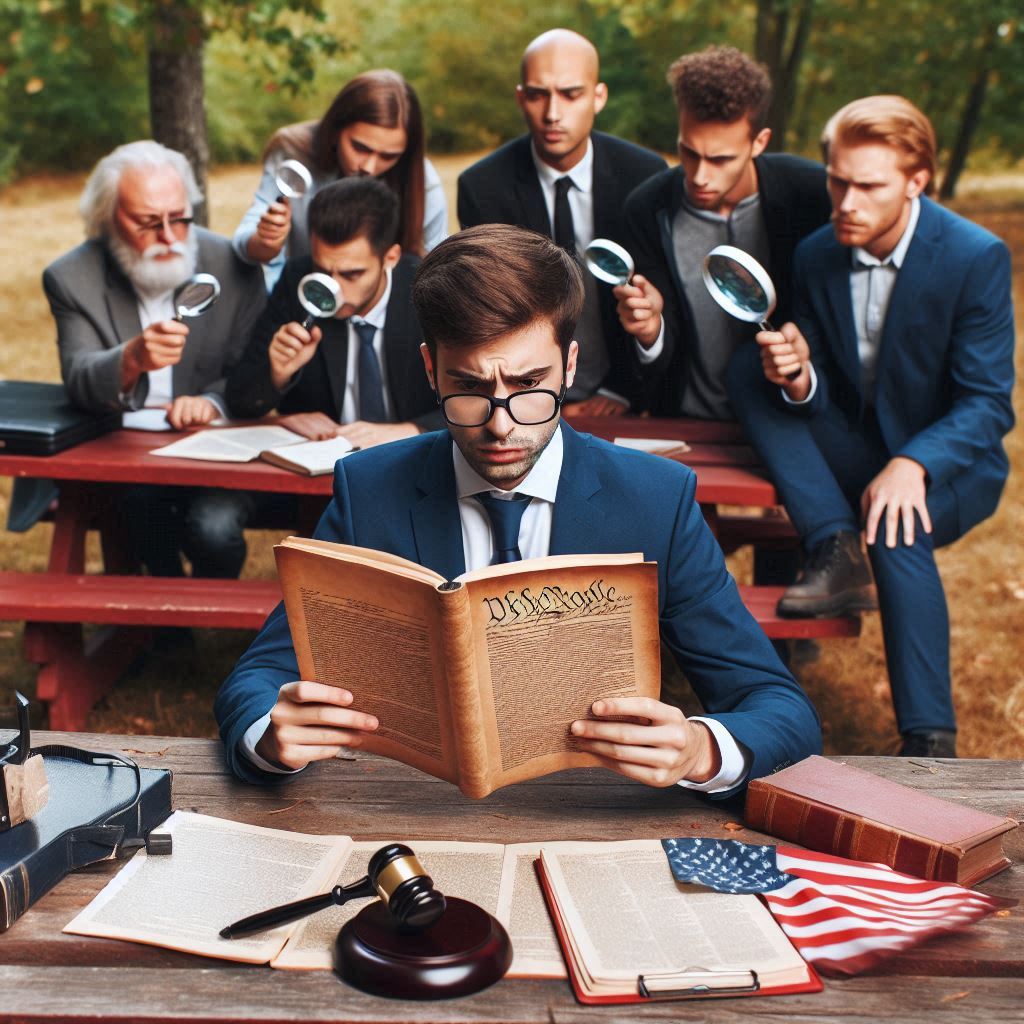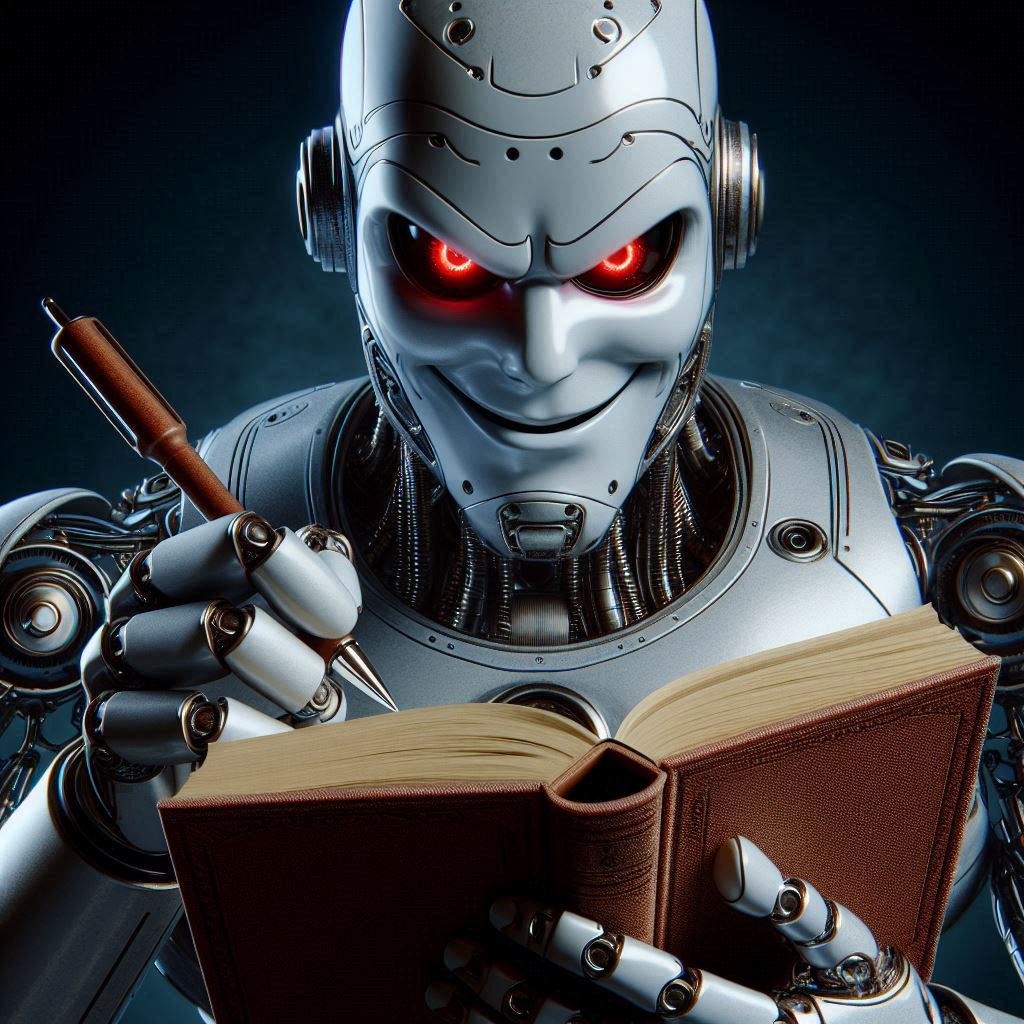
Once upon a time, a human wrote a book. Or a screenplay. Or a brooding monologue that made you cry in the dark while eating cereal at 2 a.m. Then came AI—fast, tireless, and disturbingly good at impersonating Hemingway on caffeine.
Now, instead of a tortured artist sweating over a keyboard for a year, we’ve got machines spitting out novels in five minutes flat. Sounds cool, right? Hold that thought.
Rise of the Robo-Writers
AI-written books are already hitting platforms like Amazon at a wild pace. In 2023, The New York Times reported on a surge of AI-generated content flooding Kindle Direct Publishing. Some were so lazily assembled they used prompts like “Write a book about mushroom foraging,” only to churn out error-riddled nonsense. Worse, a few authors found their names on books they didn’t write.
Imagine walking into a bookstore and seeing your name on a book titled “Werewolf Billionaire’s Pumpkin Spice Scandal”—and not knowing you wrote it. That’s not literary innovation. That’s digital identity theft with a plot twist.
Hollywood, Meet HAL 9000
Movies aren’t safe either. Studios have already flirted with AI tools to generate scripts, edit footage, or (gasp) resurrect dead actors. During the 2023 Writers Guild of America strike, one major sticking point was the fear that AI could replace human screenwriters altogether. Spoiler: The humans won. For now.
But AI doesn’t just help with writing—it learns from what already exists. Meaning your next streaming recommendation might be based on a cocktail of your favorite tropes, Frankensteined together by an algorithm that doesn’t know the difference between satire and plagiarism.
When Content Becomes “Content”
AI doesn’t care about nuance. It doesn’t reflect on the human condition or dream up something new after a bad breakup and four cups of chamomile tea. It optimizes. It copies. It floods.
The danger? A tsunami of meh media. Mediocrity, scaled to infinity. Good luck finding that hidden gem when 3,000 AI-generated novels drop every hour like digital dandruff.
The Ethical Cliffhanger
Aside from quality, there’s the ethics problem. Who owns an AI-written script trained on thousands of copyrighted films? Who’s responsible if it plagiarizes? Can AI write something truly “original” if it’s just remixing human art like a soulless DJ?
If creativity is reduced to prompt + output, we risk turning art into product—and artists into prompt engineers.
Final Scene: Humans vs. The Machines
Look, AI isn’t the villain. It can help with editing, translations, and even accessibility. But when it replaces rather than enhances human creativity, we’re in trouble.
So here’s the deal: Let the robots do your taxes. Let them recommend dinner recipes. But when it comes to the stories that move us, scare us, or make us believe in love again? That job still belongs to a human.
Preferably one who isn’t secretly a toaster.